Part of WASP since its inception in 2015, WARAs have been a dynamic and evolving initiative. WARAs contribute with research and collaborations that will strengthen Sweden in future societal and industrial challenges. Close cooperation with the industry is key to greater research impact and industrially relevant breakthroughs. In the WARAs, we seek to shorten knowledge transfer between academia and industry.
WASP Research Arenas (WARA) connect academic research with real-world industrial challenges, increasing impact and enabling breakthroughs of industrial relevance. By providing environments where theories can be tested, validated, and refined in practice, WARA helps accelerate the transfer of knowledge between academia and industry.
The arenas are divided into two concepts: either a scenario or a technology driven arena. Scenario arenas are focusing on an industrially relevant scenario covering one or several defined research challenges. Technology arenas take their starting points in one or several defined research challenges but can also serve as infrastructure supporting other parts of WASP.

Ops is an ambitious research arena that seeks to bring together Swedish industry and academia to solve state-of-the-art challenges in data-driven operational research.
It develops an advanced data storage and processing infrastructure enabling users to interactively store, annotate, process, and visualize large operational datasets. Importantly, it provide a collaborative environment allowing users to interact, share data and results, setting challenges and research questions.
Robotics includes a multitude of manipulation tasks to give a rich set of research problems in an environment that enables robots to navigate and perform manufacturing-relevant manipulation tasks. Under realistic deployment conditions this require robots to autonomously understand the world around them, to build knowledge incrementally, learn new skills, perform them safely and reliably, and adapt to changes in the environment and in humans’ behavior.

Media and Language’s mission is to build a multidisciplinary ecosystem around Media AI, connecting scientific fields and a diversity of industrial segments. It addresses research topics related to the generation and analysis of media data, and extrinsic effects of the same. Media and Language provides data management and benchmarking, together with engineering support and legal consultation on IP matters.
The arena is horizontal, viewing Media AI as both an area for research and as an enabling technology that intersects with the scenario arena WARA PS.
Sweden’s leadership in the global pharmaceutical industry relies on a dynamic, world-class ecosystem driven by data-informed decision-making.
WARA Medicine serves as a collaborative platform where academia unite with the pharmaceutical industry to conduct pioneering research. The research arena strengthens the Swedish pharmaceutical value chain, from drug discovery and development to manufacturing, supply chain optimization, and commercialization.


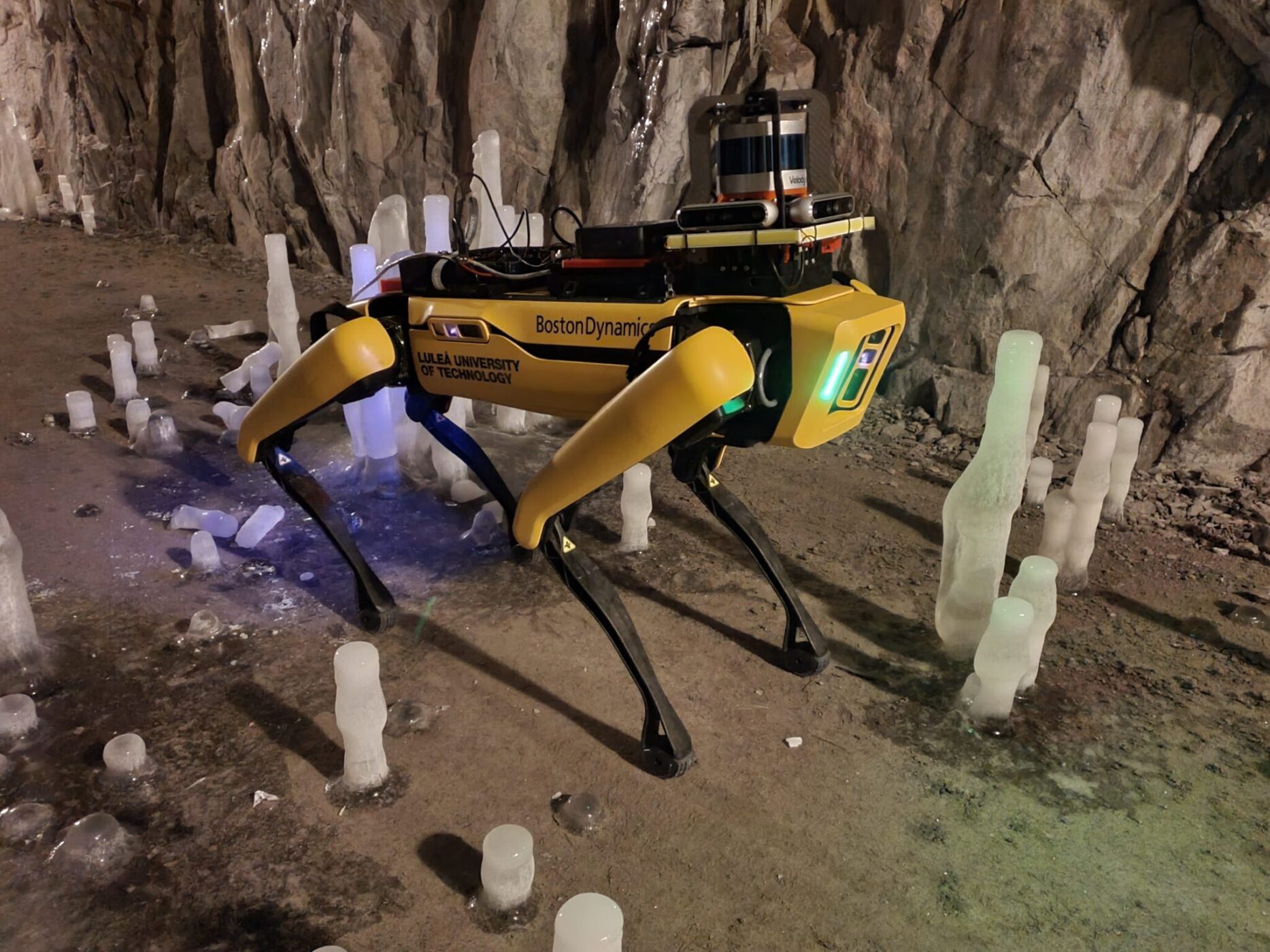
Public Safety focuses on heterogeneous system-of-systems in joint operation to handle complex scenarios around public safety. This includes unique autonomous vehicles and sensors in true multi-domain; in the air and space, on ground, on water and underwater.
Collaboration between experienced engineers, researchers and real users ensures important use cases for industry and society as well as challenging research to be tested in real environment.
The establishment of the WASP Research Arena AI Training and Inference Compute at Scale (WARA AI-TRICS) will bring researchers and industry into close collaboration, focusing on real‑world data, systems, and challenges where both advanced research and powerful computing capacity are required to drive progress.
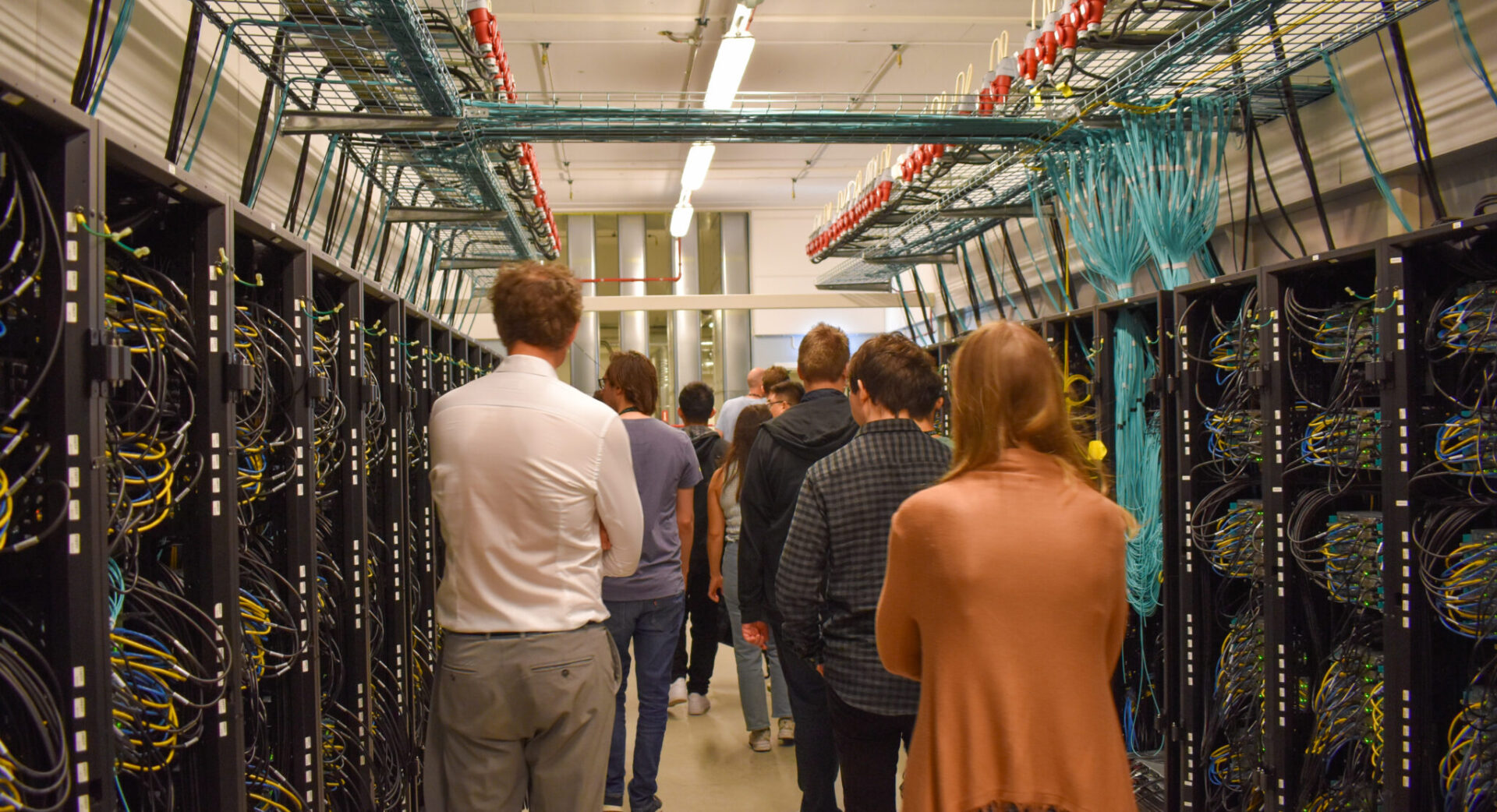
The establishment of the WASP Research Arena AI Training and Inference Compute at Scale (WARA AI-TRICS) will bring researchers and industry into close collaboration, focusing on real‑world data, systems, and challenges where both advanced research and powerful computing capacity are required to drive progress.
Proposals for starting new arenas can be initiated either by industry or academia.




